

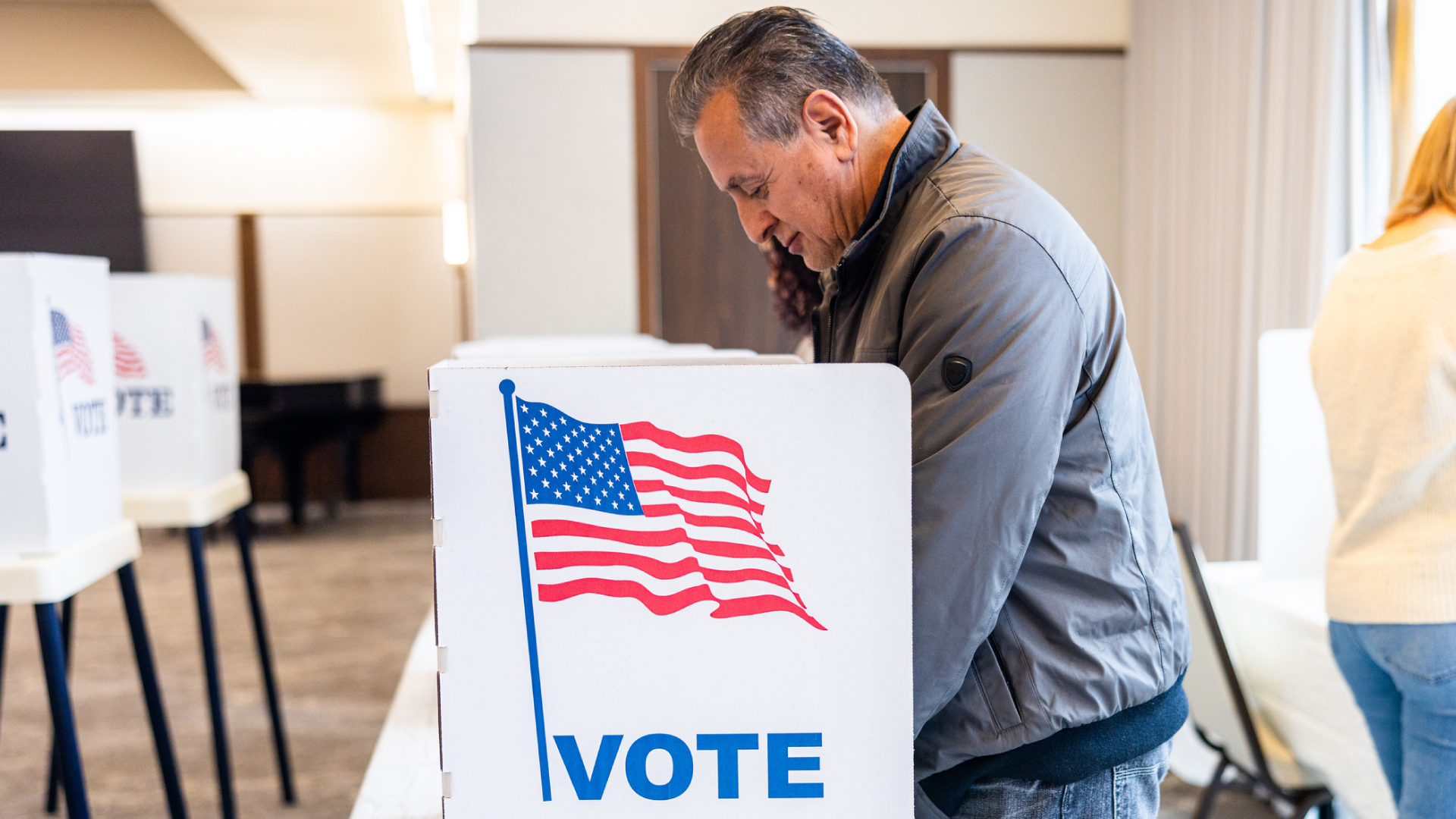
With the 2026 midterm elections less than two months away, candidates across the country must make their choice: Listen to voters and champion policies that bring down energy costs or ignore the defining issue of this election cycle.
As Americans face unprecedented strain on household budgets, energy affordability has emerged as one of voters' top economic concerns, surpassing housing costs, gasoline prices, and healthcare expenses.
Voters have made their priorities clear: they will support candidates who take decisive action to lower energy bills and are united on the solution—an all-of-the-above energy strategy that delivers a cleaner future without sacrificing affordability. Policymakers must join them or face the consequences come November.
The Affordability Crisis is Real – And No One Knows It Better Than Voters.
According to a nationwide poll conducted by Impact Research and commissioned by the Partnership to Address Global Emissions (PAGE), 82% of voters report that their utility costs have increased over the last year, second only to rising grocery costs. American families across the country are feeling the squeeze on their household budgets and want policymakers to tackle the issue.
Americans also recognize that demand for energy is surging nationwide. When asked whether the U.S. is making adequate progress on producing enough energy to meet rising demand, only 38% of voters say yes. The rest see a gap between what America needs and what elected officials are delivering. This gap is particularly acute in battleground states like Georgia, Maine, Michigan, North Carolina, Pennsylvania, and Virginia.
The picture is consistent across state and party lines. In Maine, 68% of voters say the state isn’t making enough progress to deliver the energy needed to reduce costs. In North Carolina, one of the fastest-growing states and a top-10 consumer of electricity, only 32% think progress is adequate. Virginia, which is at the center of fierce energy demand and data center debates, sits at just 30%.
The message is unmistakable: Americans see rising costs, rising demand, and inadequate response. Energy is on the ballot in each of the competitive races across the country, and candidates will face real electoral consequences for not prioritizing affordability.
Voters Know the Solution: An All-of-the-Above Energy Strategy That Includes Natural Gas
Voters aren’t ideologically rigid. They’re pragmatic. They want an energy future that is affordable, reliable, and clean. They also understand that in order to achieve all three, we must use our abundant energy resources, including natural gas.
The numbers back this up. 70% of voters support using more natural gas, and 69% support increased production to reliably meet rising demand and lower costs.
Americans still care about climate progress, but they are insisting that it happen in a way that keeps their energy affordable and dependable. Over two-thirds of voters nationwide, including 75% of moderate Democrats, want a steady transition to cleaner energy using all available sources. They recognize that natural gas can achieve a cleaner energy future without forcing families to choose between heating their homes and paying other bills.
State Leaders Are Already Reading the Room
Across the country, several Democratic leaders have recognized what voters already figured out: natural gas is essential to any credible energy strategy that prioritizes affordability without sacrificing emission reductions. This shift is particularly pronounced in the Northeast, where governors face the dual pressure of the nation's highest energy prices and a severely limited network of pipelines.
"We have growing energy needs in this country…and that's why we need to embrace an all of the above approach. Gas is still an important part of our portfolio." – Governor Maura Healey (MA)
“My administration remains open to a range of energy sources that increase supply, strengthen reliability and help lower costs for consumers.” – Governor Ned Lamont (CT)
Governor Dan McKee (RI) similarly shifted course, saying he was “with Gov. Lamont” in supporting an "all-in strategy" that includes natural gas while previously championing climate targets.
The repositioning extends to Congress as well. Democratic strategists and lawmakers increasingly recognize that opposing natural gas is a losing electoral strategy.
The Electoral Stakes Are Clear
The political calculus is simple. Candidates who align with voter priorities win. For Democratic candidates in particular, this polling offers a clear pathway for connecting with mainstream voters on their number one concern: energy affordability.
The 2026 midterms will determine the next two years of energy policy and progress. Voters across the country—especially in key battleground states—will be watching to see which candidates embrace pragmatic energy solutions, and which prioritize ideology over affordability.
About the Polls
Impact Research conducted a nationwide online survey of 1,000 registered voters plus an oversample of 250 moderate Democrats, and statewide surveys of 600 registered voters each in six states (Georgia, Maine, Michigan, North Carolina, Pennsylvania, and Virginia). Interviews were conducted in late February and April 2026. The credibility interval for the nationwide sample is +/- 3.1, +/- 5.2 for the nationwide moderate Democratic oversample, and +/- 4.0 for each state.