

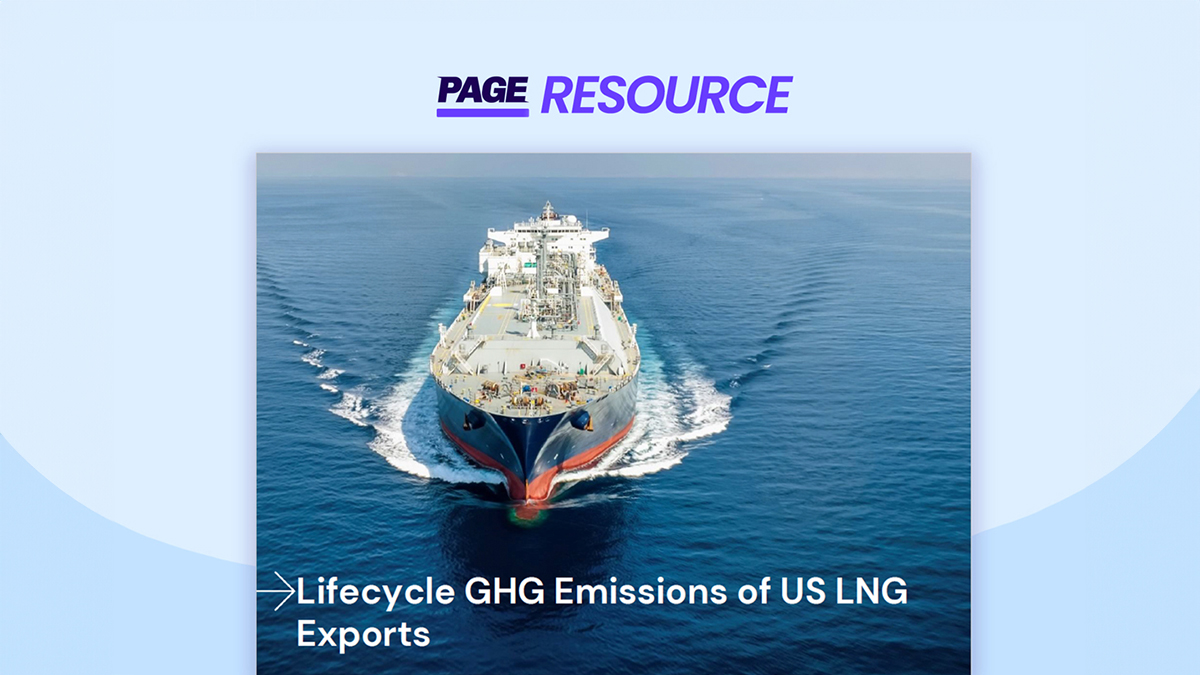
From diversification to integration: A market-based LNG coordination mechanism in Europe
Download
Stay informed with PAGE exclusive content.

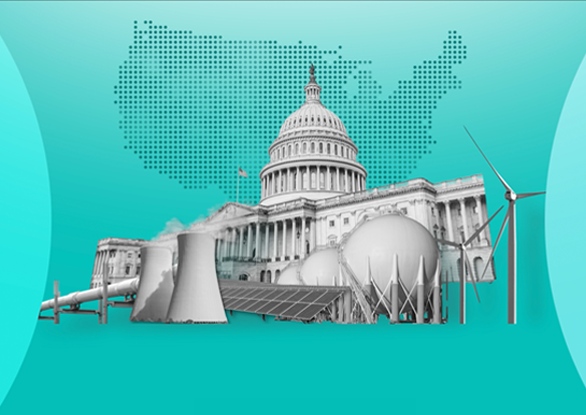
The U.S. has the abundant energy resources needed to meet growing energy demand, control surging prices, and advance global climate and energy security goals, but current policy prevents the building of the infrastructure needed to connect energy to the consumers that rely on it.
Energy and transmission line project approvals can take nearly a decade to complete. We can get back to building by streamlining permitting approvals.
Read MoreThe U.S. gas industry stepped up to help our European allies after Russia invaded Ukraine, and we can do more by helping Europe fully phase out Russian gas.
Climate goals and human development need to be pursued in tandem. Practical solutions – like U.S. natural gas – accomplish both by reducing emissions and improving quality of life.

Clear rules for how and when courts review permitting decisions to protect projects from open-ended litigation that can delay investment and undermine competitiveness. At the same time, they preserve accountability by ensuring agencies follow the law and guarantee due process for communities and stakeholders.
By narrowing reviews to what is legally required and eliminating duplicative or speculative analyses, agencies can focus resources on assessing genuine impacts.
Clear deadlines provide the certainty needed to plan projects, secure financing, and deliver benefits on schedule. Enforceable timelines also help reduce cost overruns and protect consumers from higher energy prices caused by unnecessary delays.
Expediting LNG approvals enhances U.S. global leadership by supporting our allies, bolstering energy security, and reducing emissions.
Updating Clean Water Act (CWA) and Endangered Species Act (ESA) reviews preserve strong environmental protections while eliminating duplicative permitting and ensuring infrastructure needed for affordable, reliable energy can advance.
As Europe executes on its plan to stop importing Russian gas by 2027, U.S. LNG will play an essential role in filling the supply gap through long-term flexible contracts to meet its energy needs – especially as new projects are expected to boost our export capacity by nearly 50%.
A study by S&P Global found that increasing U.S. LNG exports would contribute $1.3 trillion to U.S. GDP and an average of 495,000 jobs per year through 2040. America’s 4,000 Tcf of future natural gas supply can meet domestic and international demand for decades and keep energy affordable for families.
Coal-to-gas switching is proven to cut emissions. Research shows that coal-to-gas switching continues to be the largest driver behind U.S. energy sector emissions reductions.
U.S. natural gas producers are world leaders in reducing methane emissions.
We understand the role industry must play in reducing methane emissions and PAGE members have taken significant steps to eliminate them through investment and innovation, helping establish U.S. natural gas as among the cleanest in the world.
Methane is 80X more potent than CO2 and responsible for about 30% of the global rise in temperatures to date.
U.S. gas systems have reduced methane intensity by 40% since 2014—a clear sign of the industry’s climate progress.
According to the EIA around 70% of emissions could be cut using existing technology.*
PAGE encourages reasonable methane policies that drive investment in advanced detection, monitoring, and measurement technologies to support global emissions goals and keep U.S. LNG competitive worldwide.
Liquified Natural Gas, or LNG, is natural gas that has been supercooled to a liquid state. This process makes natural gas 1/600th its original volume and thus easier to transport and store. Following transportation, LNG is slowly warmed to return to a gaseous state for residential and commercial use.
Existing pipelines are at capacity and many pipelines and LNG facility projects have been cancelled or delayed over the past 5 years. We need a streamlined process to expand the infrastructure on the east and gulf coasts, closer to natural gas resources, to cost-effectively transport natural gas through the U.S and to our allies.
Between 2005 and 2022, 60% of U.S. power sector emissions reductions came from replacing coal with American natural gas. Research from the International Energy Agency (IEA) shows coal-to-gas switching was once again the largest driver behind U.S. energy sector emissions reductions in 2023.
The industry knows that if natural gas is going to be part of a clean energy future, it must address methane. That’s why responsible producers are quickly replacing pneumatic controllers, which account for 62% of total reported methane emissions, with non-venting devices and installing gas capture systems. This has helped contribute to a 40% reduction in the methane intensity of gas systems between 2014 and 2024.
Natural gas and renewables are compatible partners. Natural gas is the cleanest firm power option available at scale, meaning it can provide 24/7 power to support renewables’ intermittency. If U.S. LNG export growth potential were to materialize, 85% of the resulting gap would be filled by fossil fuels from outside the US, according to S&P Global.
Despite LNG exports increasing substantially over the last decade, domestic prices have remained low. The LNG export industry has contributed $408 billion in GDP since 2016, supporting an average of 273,000 direct, indirect and induced U.S. jobs.







Stay informed with PAGE exclusive content.